
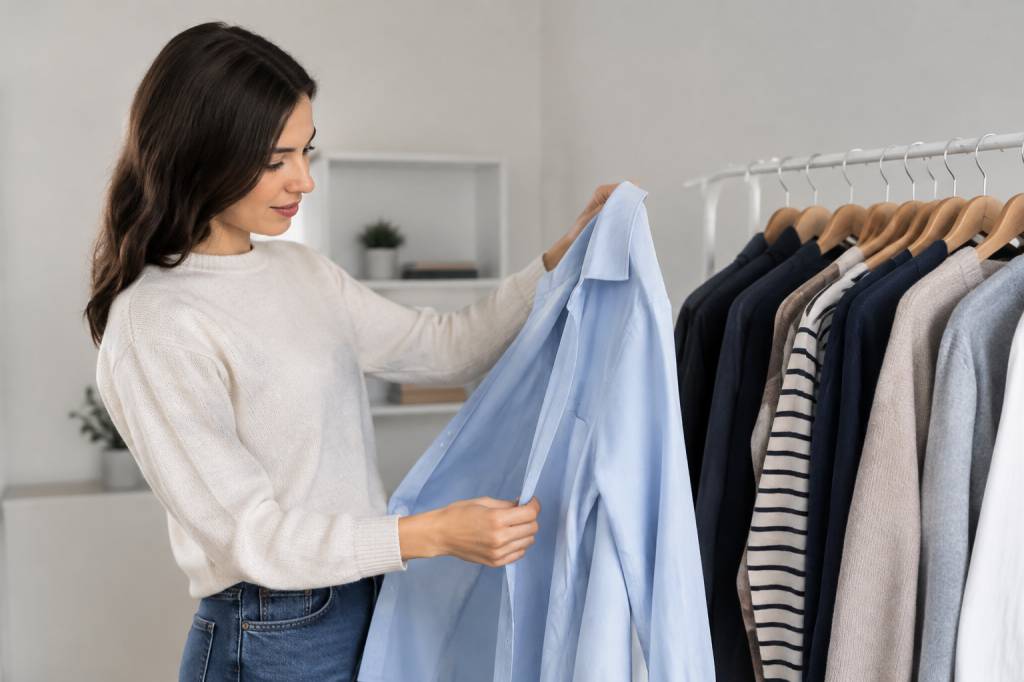
Finding the right fit when shopping for a UK size 22 should be straightforward, but clothing labels are not always as consistent as we would like. One brand’s size 22 can feel comfortably relaxed, while another’s may be noticeably slimmer through the waist or shoulders. Add international sizing, different cuts and stretchy fabrics to the mix, and online shopping can quickly become a guessing game.
The good news? A size label is only a starting point. By understanding measurements, fabric, garment shape and each retailer’s size chart, you can make much more confident choices. This practical guide explains what a UK size 22 usually means, how it compares with other sizing systems and how to choose clothing that feels as good as it looks.
What does a UK size 22 mean?
A UK women’s clothing size 22 is generally considered a plus-size fit. It is commonly designed for a body with measurements around:
- Bust: 47–49 inches, or approximately 119–124 cm
- Waist: 39–42 inches, or approximately 99–107 cm
- Hips: 49–51 inches, or approximately 124–130 cm
These figures are useful guidelines rather than fixed rules. Some retailers place a size 22 closer to a 46-inch bust, while others allow more room at the hips or waist. Even within the same brand, measurements can vary between jeans, dresses, jackets and occasionwear.
This is why relying on the number alone can be misleading. A garment’s cut matters just as much as its label. A relaxed-fit blouse in a 20 may offer more comfort than a fitted blouse in a 22, while stretch denim may fit differently from rigid denim in exactly the same size.
UK size 22 conversion guide
International sizing can be particularly confusing when shopping from overseas websites. Here is a general comparison for women’s clothing:
- UK: 22
- US: 18
- EU: 50
- Australia: 22
- International: usually 2XL or 3XL, depending on the brand
These conversions should be treated as a helpful reference, not a guarantee. International retailers often use their own grading systems, and terms such as XL, XXL and 3XL are not standardised. One brand’s 2XL may be cut generously, while another’s could be closer to a UK 20.
When ordering from an international website, check whether the measurements are listed in inches or centimetres. A quick conversion can save a disappointing return: one inch equals 2.54 centimetres. It is also worth checking whether the chart describes body measurements or the actual measurements of the garment.
How to measure yourself accurately
A well-fitting tape measure is more useful than an old pair of jeans when choosing your size. You will need a soft measuring tape and, ideally, someone to help. Wear light clothing or underwear similar to what you would normally wear beneath the garment.
- Bust: Measure around the fullest part of your chest, keeping the tape level across your back. Avoid pulling it tightly.
- Waist: Measure around your natural waist, usually the narrowest part of your torso. Do not hold your breath or pull in your stomach; the aim is comfort, not wishful thinking.
- Hips: Measure around the fullest part of your hips and bottom, keeping the tape straight.
- Inside leg: Measure from the top of the inside leg to the ankle or floor, depending on whether you want the length of trousers or jeans.
- Shoulder width: For jackets and structured tops, measure from one shoulder point to the other across your back.
Take each measurement twice and record the larger or most consistent result. Bodies are naturally different, so it is perfectly normal for your bust, waist and hip measurements to correspond to different sizes. In that situation, choose the size based on the largest measurement and consider tailoring or a more forgiving cut.
Why size charts matter more than the label
Retailer size charts are among the most useful tools when buying clothes online, yet they are often skipped. Take an extra minute to compare your measurements with the brand’s chart before adding an item to your basket.
Pay attention to the wording. A chart labelled “body measurements” tells you which body dimensions the garment is designed to fit. A chart labelled “garment measurements” gives the dimensions of the finished item. A dress measuring 50 inches around the bust may be intended for a body measurement of 48 inches, allowing two inches of ease.
That extra room is called ease. It affects how a garment feels and moves:
- Close-fitting: little additional room and a more sculpted shape
- Regular fit: moderate room for everyday comfort
- Relaxed or oversized: generous space through the body and sleeves
If you are between sizes, the right choice depends on the item. For a fitted blazer, sizing up may provide better comfort across the bust and upper arms. For a stretchy top, your usual size may be sufficient. For wide-leg trousers with an elasticated waist, hip measurements are often more important than the waist label.
Choosing the right fit for different garments
Dresses
For dresses, compare your bust, waist and hip measurements with the brand’s chart. If one area is larger than the others, choose a shape that accommodates it comfortably. Wrap dresses, fit-and-flare styles and adjustable waist designs are often more flexible than bodycon or heavily tailored dresses.
Look closely at the fabric composition. A dress containing elastane, jersey or stretch viscose may offer more movement than a woven cotton or linen style. However, stretch should add comfort, not compensate for a garment that is too small. If the fabric pulls across the bust or creates horizontal lines at the waist, a larger size or different cut is likely to work better.
Tops and blouses
Check the bust and upper-arm measurements, particularly when shopping for shirts or fitted knitwear. Button gaps across the chest are a clear sign that the garment needs more room. Dropped shoulders, batwing sleeves and relaxed cuts can offer extra comfort without looking oversized.
For workwear, a slightly longer top can make sitting and reaching more comfortable. Look for curved hems or side slits if you prefer a top that sits smoothly over the hips.
Trousers and jeans
Jeans are notorious for changing shape after a few hours of wear. Rigid denim may feel firm initially and soften slightly, while stretch denim can relax considerably. Read the fabric details carefully: one to three per cent elastane can make a noticeable difference.
High-waisted styles generally sit around the natural waist, whereas mid-rise designs sit lower on the body. If you have a fuller tummy or prefer more support, a high-rise pair with a shaped waistband may feel more secure. Curvy-fit jeans can also provide extra room through the hips while maintaining a closer fit at the waist.
Do not forget the leg length. Many brands offer short, regular and long options, but the actual measurements can differ. Compare the inside-leg measurement with a pair of trousers you already like.
Jackets and coats
Outerwear needs enough room for layers. When trying on a coat, wear the jumper or knitwear you would normally put underneath it. Check that you can fasten the buttons or zip without pulling, and move your arms forward as though you were holding a steering wheel or carrying a shopping bag.
Shoulder seams should sit close to the edge of your shoulders without dropping too far or digging in. If the coat fits through the body but feels tight in the upper arms, look for styles with raglan sleeves, stretch panels or a roomier cut.
Understanding plus-size clothing cuts
Plus-size clothing is not simply standard clothing made larger. Well-designed pieces account for differences in proportion, including bust placement, sleeve width, rise, hip shape and garment length. This can make a major difference to comfort and appearance.
Useful features to look for include:
- Shaped or contoured waistbands that reduce gaping
- Adjustable ties or elastic panels
- Princess seams or darts for a more defined shape
- Longer hems on tops and jackets
- Stretch panels in trousers and skirts
- Reinforced stitching at high-stress points
- Breathable fabrics that do not cling uncomfortably
Fit is personal, of course. Some shoppers prefer clothing that follows the body, while others feel best in a looser silhouette. Neither approach is more correct. The best fit is the one that allows you to move freely and feel at ease throughout the day.
Shopping online in a UK size 22
Online shopping gives you more choice, but it also removes the fitting-room advantage. Before ordering, check the product description, fabric content, customer reviews and return policy.
Reviews can reveal details that product photographs do not. Look for comments about whether the item runs small or large, whether the fabric is sheer, and whether the sleeves or hem are longer than expected. Reviews from shoppers with similar measurements are especially useful.
Save your measurements in your phone so they are easy to access while shopping. It can also help to keep a note of your preferred garment measurements, such as the bust width of a favourite blouse or the inside leg of your best-fitting jeans.
When buying from a new brand, consider ordering one item first rather than filling your basket immediately. This lets you assess the sizing, fabric quality and return process before making a larger purchase.
Common fit problems and simple solutions
The waistband feels tight but the hips fit: Try a curvy-fit style, a stretch waistband or a size that accommodates your waist. A tailor may also be able to adjust the waistband.
The shoulders fit but the bust feels strained: Look for a fuller-bust design, a wrap front or a larger size with tailoring through the shoulders.
The trousers crease across the front: This can indicate that the garment is too small through the hips or rise. Try a larger size or a different cut.
The garment looks shapeless: A belt, waist seam, darts or a more structured fabric can create definition without compromising comfort.
The sleeves are too tight: Search for brands offering fuller-arm fits, stretch fabrics or three-quarter sleeves. Alterations are possible, but there needs to be enough fabric in the seam.
When tailoring is worth considering
Small alterations can transform an otherwise good purchase. Adjusting a hem, shortening sleeves or taking in a waist can help a garment look more polished. Tailoring is particularly useful for coats, trousers and occasion dresses, where precise proportions matter.
However, tailoring cannot always solve a fundamental sizing issue. If the shoulders are too narrow, the rise is too short or the bust is significantly restricted, another size or style will usually be the better investment.
A practical checklist before you buy
- Measure your bust, waist, hips and inside leg.
- Compare those measurements with the retailer’s own chart.
- Check whether the chart refers to body or garment measurements.
- Read the fabric composition, especially the amount of stretch.
- Consider the garment’s cut and the ease you prefer.
- Read reviews from shoppers with similar measurements.
- Check delivery costs, returns and exchange conditions.
- Think about what you will wear underneath or with the item.
A UK size 22 is not a limitation; it is simply one point on a broad and varied clothing scale. The most reliable approach is to focus on measurements, construction and comfort rather than chasing a particular number. Once you know how a brand fits and which cuts suit your shape, shopping becomes faster, easier and far less frustrating.