
If you’ve ever stared at a pair of jeans and wondered whether a 26 waist size UK means “perfect fit” or “why does every brand seem to disagree?”, you’re not alone. Waist sizing can be surprisingly confusing, especially when brands mix inches, UK dress sizes, vanity sizing, and “relaxed fit” labels that seem designed to test your patience.
The good news? Once you understand what a 26-inch waist really means, shopping becomes much easier. You can spot the right size faster, reduce returns, and avoid the classic dressing-room ritual of tugging, pinching, and asking yourself whether a size really should be this emotionally complicated.
This guide breaks down how a 26 waist size works in the UK, how to measure correctly, and what to look for when buying clothes that actually fit the way they should.
What does a 26 waist size mean in the UK?
A 26 waist usually refers to a 26-inch waist measurement, not a standard UK dress size. In many cases, it appears on jeans, trousers, skirts, and fitted shorts. The number is the circumference of your waist in inches, typically measured around the narrowest part of your torso.
In the UK, a 26-inch waist often corresponds roughly to a UK size 8, though this can vary by brand and garment style. Some labels may place it closer to a UK 6 or 10 depending on stretch, cut, and where the waistband sits.
That’s the key point: 26 waist is not automatically a fixed UK clothing size. It’s a measurement, and measurements can behave differently across fashion categories. A rigid pair of high-waisted jeans is not the same as soft joggers or tailored trousers. Shocking, right?
How to measure your waist properly
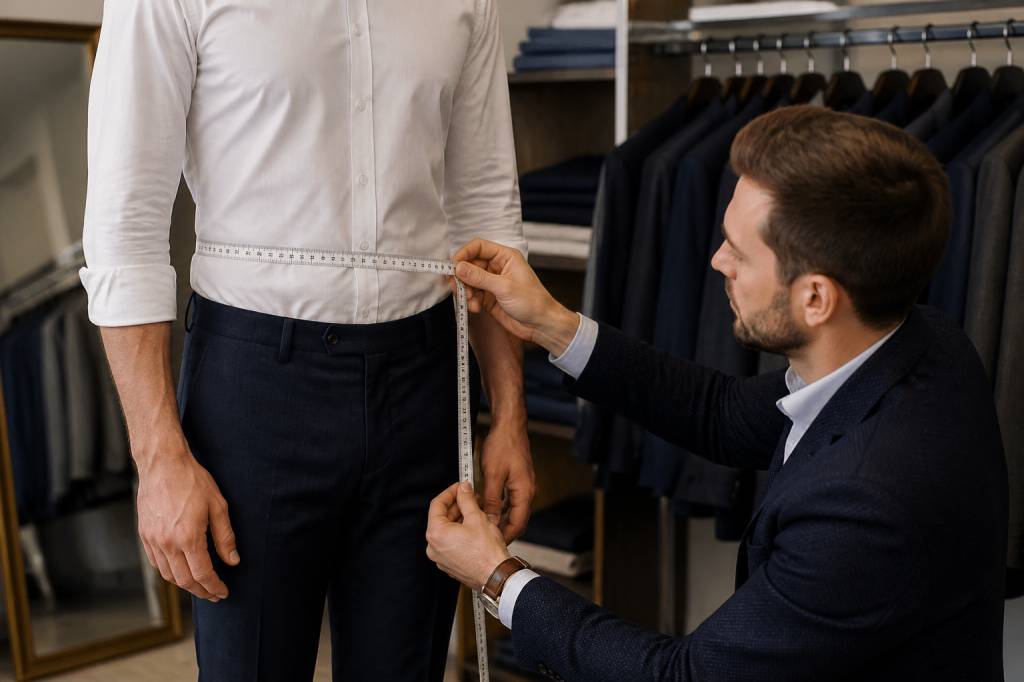
If you want accurate clothing fit, measuring correctly matters more than guessing from your usual size. A tape measure is your best friend here, not the “I’ll just hold this up and hope” method.
Here’s how to measure your waist accurately:
- Stand up straight and relax your stomach. Don’t suck in or push out.
- Find the natural waistline, which is usually the narrowest part of your torso, above the belly button.
- Wrap a soft tape measure around this area, keeping it level all the way around.
- Make sure the tape is snug, but not tight enough to dig in.
- Take the measurement in inches if you’re shopping for UK waist sizes, or convert from centimetres if needed.
- Check your measurement a second time for consistency.
A small difference can matter. If you measure 25.5 inches, some brands may still suggest 26, while others may push you toward the smaller size. If you’re between sizes, the style of the garment usually decides the winner.
UK size guide for a 26-inch waist
While sizing varies by brand, a 26-inch waist commonly aligns with the following approximate UK sizes:
- UK 6 in some brands, especially those with a smaller cut
- UK 8 in many standard women’s ranges
- UK 10 in looser or more generous fits
That range may look annoyingly broad, but it reflects reality. Fashion sizing is not a universal language. One brand’s size 8 can feel like another brand’s size 10, especially if one uses stretch denim and the other prefers stiff, structured fabric that clearly has commitment issues.
For jeans and trousers, many brands use waist measurement and inside leg separately. So a product labeled “26” usually means the waist, while the second number may indicate leg length, such as 26/30 or 26/32. Understanding both measurements helps you avoid buying the wrong pair and pretending “they’ll probably stretch” is a strategy.
Why a 26 waist can fit differently across brands
There are a few reasons why the same 26-inch waist can feel completely different from one shop to another:
- Different fits: Slim, straight, skinny, relaxed, and wide-leg styles all sit differently on the body.
- Rise height: High-rise trousers sit at a different point on your torso than mid-rise or low-rise styles.
- Fabric stretch: Stretch denim can feel forgiving, while rigid cotton may feel much firmer.
- Brand sizing philosophy: Some brands cut smaller, others cut larger, and some seem to have no interest in consistency.
- Intended fit: A “tailored” waistband may be designed to sit close, while “boyfriend” or “relaxed” styles intentionally leave room.
This is why reading the size chart matters. The label might say 26, but the actual waistband measurement could be slightly larger or smaller. If you want clothes that fit properly, always compare the garment measurements with your own body measurements.
Best clothing types for a 26 waist
A 26-inch waist can work beautifully across many categories, but the best fit depends on the item and the cut.
Jeans: If you’re buying denim, look for the waistband measurement, rise, and stretch percentage. A 26 waist in jeans may be ideal if you like a close fit, but rigid denim can feel tighter than expected when sitting down. If you prefer comfort, a small amount of elastane can make a big difference.
Trousers: Tailored trousers often sit higher on the waist and may feel more structured than jeans. If the waistband sits at your natural waist, a 26-inch measurement can offer a neat, polished fit. If the trousers are low-rise, the same size may feel looser.
Skirts: Pencil skirts and fitted minis often use waist measurements more strictly than casual skirts. A 26 waist in a skirt can be a great match, but always check whether the waistband is elastic or fixed.
Shorts: Shorts are tricky because they need to fit the waist and still allow movement through the hips and thighs. If your waist is 26, make sure the leg opening isn’t too tight, especially for fitted or high-rise styles.
Dresses with a defined waist: Belted or cinched dresses may use 26 as a reference point, but bust and hip measurements matter just as much. A dress can fit perfectly at the waist and still pull elsewhere if the overall cut isn’t right.
How to check size charts without losing your mind
Size charts are your shortcut to fewer returns, but only if you know what to look for. The trick is to focus on the garment measurements rather than the label alone.
When reading a size chart, check these points:
- Waist measurement: Confirm whether the chart shows body size or garment size.
- Hip measurement: Important for jeans, skirts, and fitted trousers.
- Rise: Especially useful for high-waisted or low-rise styles.
- Stretch level: Helps predict whether the item will feel snug or forgiving.
- Fit notes: Phrases like “size up for comfort” or “runs small” are worth taking seriously.
A useful habit is to compare the chart against a garment you already own and love. If your favourite jeans have a 26-inch waist and fit perfectly, use that as a benchmark when shopping online. It’s far more reliable than crossing your fingers and hoping the product photo is honest.
What to do if you are between sizes
Being between sizes is extremely common, and it’s not a sign that your body is the problem. Clothing should adapt to you, not the other way around.
If you measure around 25.5 to 26.5 inches, here’s the practical approach:
- If the fabric has stretch, choose the smaller size if you want a closer fit.
- If the fabric is rigid, choose the larger size for comfort.
- If the item is tailored or structured, consider how you’ll sit and move in it.
- If you plan to tuck in tops, leave a little extra room at the waistband.
- If you’re shopping for high-waisted styles, remember they may sit above your natural waist and feel tighter than expected.
If you’re shopping for jeans, the fit around the hips and thighs matters as much as the waist. A waist that’s technically right can still feel wrong if the rest of the garment pulls. In that case, a minor alteration is often smarter than forcing yourself into a size that clearly dislikes you.
Tips for a more accurate clothing fit
Getting the right fit is not just about knowing your size. It’s about shopping with a bit of strategy.
- Measure yourself regularly: Body measurements can shift slightly over time.
- Know your favourite fits: Write down the sizes and brands that work well for you.
- Check reviews: Real customer feedback often reveals whether a piece runs large or small.
- Look at fabric composition: A small amount of elastane can improve comfort and flexibility.
- Understand rise and cut: The same waist measurement can fit differently depending on where the waistband sits.
- Don’t rely only on the mannequin look: Models and styling can be misleading. A garment can appear relaxed in photos but fit much more tightly in real life.
One of the most useful habits I’ve picked up is to check whether a brand offers actual garment measurements in centimetres or inches. That small detail saves time and makes online shopping much less of a gamble.
Common mistakes when buying a 26 waist size
Even experienced shoppers make these mistakes, especially when buying online:
- Assuming every 26 waist equals a UK 8
- Ignoring fabric stretch and structure
- Forgetting that high-rise and low-rise styles fit differently
- Measuring over clothing instead of against the body
- Choosing a size based only on the model’s appearance
- Skipping the size chart because “it’s usually fine”
If your goal is accurate clothing fit, the best move is to treat size labels as a starting point, not a promise. The more you understand your own measurements, the easier it becomes to shop with confidence.
How to make a 26 waist work for your wardrobe
Once you know your waist size, building a wardrobe becomes much simpler. You can narrow down items that are likely to fit, and you can identify when a piece is worth tailoring.
For a 26-inch waist, consider prioritising:
- Jeans with consistent stretch and a flattering rise
- Trousers with adjustable waist details or side fastenings
- Skirts with zip closures or elasticated waists, depending on your comfort preference
- Belt-friendly pieces that allow small fit adjustments
- Brands with clear size charts and good customer reviews
If you often shop online, save your measurements in your phone notes. That way, you can check them quickly before adding anything to your basket. It’s a tiny habit that can save you a lot of hassle later.
Final practical takeaways for a 26 waist
A 26 waist size in the UK usually points to a petite-to-standard women’s fit, often around UK 8, but the exact match depends on the brand, garment type, and fabric. The smartest way to shop is to measure your waist properly, compare it to size charts, and pay attention to cut and stretch.
If you remember just a few things, make them these:
- A 26 waist is a measurement, not a universal UK size.
- Always check the brand’s chart before buying.
- Fit changes depending on rise, fabric, and style.
- If you are between sizes, think about comfort and intended use.
- Good fit starts with accurate measurements, not guesswork.
Shopping becomes much more satisfying when you know what you’re looking for. And once you’ve found your true fit, there’s nothing better than pulling on a pair of trousers and thinking, finally, someone got it right.