If you’ve ever stared at a size chart and thought, “Why does a 28 waist mean one thing on one brand and something slightly different on another?”, you’re in good company. Waist sizing should be simple, but in reality it can feel like a mini decoding exercise. The good news? Once you understand what a UK 28 waist size actually means, finding the right fit becomes much easier — and a lot less frustrating.
Whether you’re shopping for jeans, trousers, skirts, shorts, or even men’s tailoring, a 28-inch waist is a very common size. But the right fit is not just about the number. Fabric, rise, cut, and brand-specific sizing all play a role. And if you’ve ever bought a pair of trousers that fit your waist perfectly but squeezed your hips like they were designed for a different species, you already know why this matters.
What does a UK 28 waist size mean?
A UK 28 waist size usually refers to a waist measurement of around 28 inches, which is roughly 71 cm. That’s the basic starting point, but sizing systems are not always identical across clothing categories or brands. In some cases, a label saying “28” is a true waist measurement. In others, it may be a nominal size that runs slightly larger or smaller depending on the fit model used by the brand.
For women’s clothing, a 28 waist often appears in denim sizing, especially with jeans and skirts. In men’s clothing, it’s commonly used for trousers and jeans as well. The key thing to remember is that “28” is not automatically universal. A slim-fit trouser in one store may feel very different from a relaxed-cut jean in another. Same number, different reality — a classic shopping plot twist.
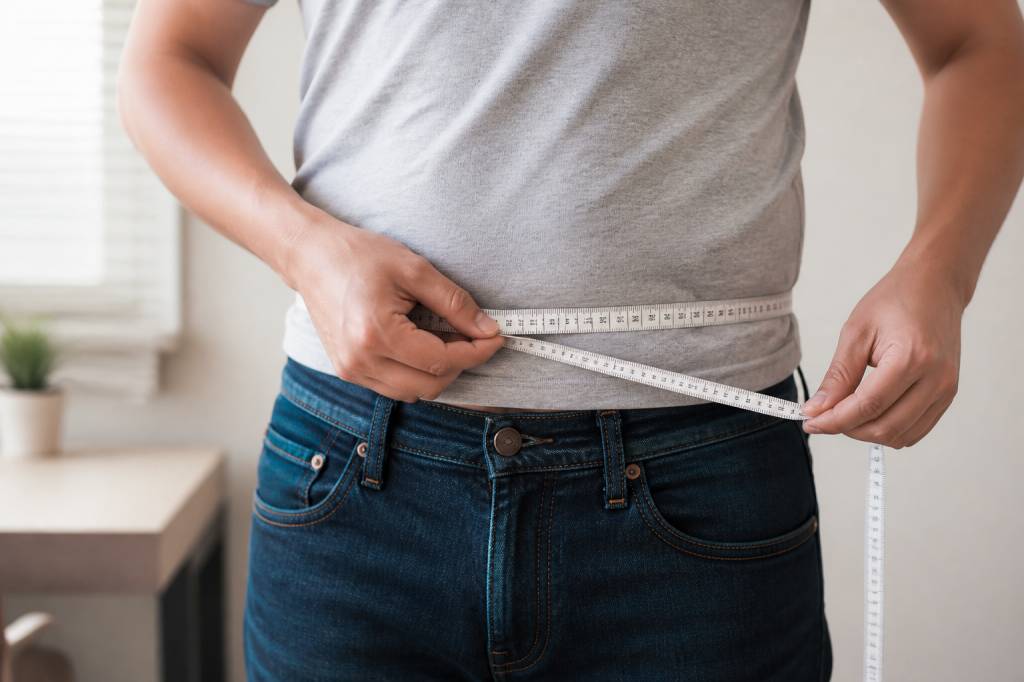
How to measure your waist properly
If you want the best chance of getting the right size, measuring yourself at home is the smartest move. It takes less than two minutes and can save you from the inconvenience of returns, exchanges, and that awkward moment of realising the waistband is doing all the talking.
Here’s how to measure your waist accurately:
If you’re measuring for jeans or trousers, it can also help to check where the garment is intended to sit. Some low-rise styles sit well below the natural waist, while high-waisted pieces sit above it. That means your “waist size” on paper may not be the same area the garment actually hugs.
UK 28 waist size conversions you should know
Shopping internationally? Then conversions matter. A UK 28 waist size is often aligned with similar sizing in the US, but the details depend on whether you’re buying women’s, men’s, or unisex clothing. Here’s a practical guide:
That last point is especially important: European sizing is notoriously inconsistent across brands. One retailer’s EU 36 might fit like another’s 34 or 38. If you’re ordering online, always check the size guide provided by the brand rather than relying on a general conversion chart alone.
Why a 28 waist can fit differently in different clothes
Not all 28 waists are created equal. In fact, the garment’s shape matters just as much as the measurement on the label. A pair of rigid denim jeans, for example, will usually feel firmer than a cotton-blend trouser with a little stretch. That’s not a defect — it’s simply the nature of the fabric.
Here are the main factors that change the fit:
This is why two people with the same waist measurement can wear the same size but have very different experiences. One may find a perfect fit in a slim-leg jean, while the other needs a belt and a prayer in the same size. It’s not you — it’s the cut.
How a 28 waist should fit in jeans
Jeans are where sizing confusion tends to peak, because denim can be unforgiving or surprisingly forgiving depending on the construction. A good-fitting 28 waist in jeans should feel snug but comfortable at the waistband. You should be able to sit, bend, and move without feeling like the button is in a personal battle with your lunch.
When trying on jeans, look for these signs of a proper fit:
With stretch denim, expect a slightly closer fit at first, because the fabric may relax with wear. With rigid denim, you usually want a fit that is comfortable from day one, since the fabric won’t give much over time. That’s one of those tiny shopping details that can make the difference between “best jeans ever” and “why did I think I could make these work?”
How a 28 waist should fit in trousers and skirts
For tailored trousers, chinos, and skirts, the fit should look cleaner and more structured than jeans. A 28 waist in these pieces usually means the waistband should sit smoothly against the body without bunching. You want enough room to breathe, but not so much that the garment slips out of place when you walk.
For skirts, especially pencil styles or high-waisted designs, the waist fit is crucial because the silhouette depends on it. If the waistband is too loose, the skirt may shift and lose shape. If it’s too tight, the fabric can pull and create awkward lines. A good fit is one that supports the garment’s shape while still allowing comfortable movement.
For pleated or A-line skirts, there may be a little more forgiveness around the hips, so focus on how the waistband sits and whether the skirt hangs naturally. The best test? Walk, sit, and twist slightly. If it behaves nicely during all three, you’re on the right track.
Common mistakes people make when buying a 28 waist size
Even experienced shoppers can fall into the same traps, especially when shopping online. A 28 waist sounds straightforward, but small details can cause big fitting issues.
Here are the most common mistakes to avoid:
One useful habit is to check the product’s fit notes. If a brand says “runs small” or “relaxed fit,” take that seriously. It’s not marketing fluff; it’s often the difference between an easy buy and an inconvenient return.
Tips for shopping online with a 28 waist measurement
Online shopping is brilliant when it works and mildly annoying when it doesn’t. The trick is to use the information brands give you instead of relying on guesswork.
Before you hit “buy,” check these details:
If you’re between sizes, think about the garment type. For structured pieces like tailored trousers, sizing up and adjusting with a tailor can be a smart move. For jeans, it depends on the fabric: if they’re stretch denim, you may be fine with the smaller size; if they’re rigid, the larger option may be more comfortable.
How to tell if a 28 waist is the right fit for your body shape
The number alone doesn’t tell the whole story. A 28 waist may be ideal, but the best fit depends on your proportions. If you have a narrower waist and fuller hips, you may need a higher rise or a contoured waistband to avoid gaping. If your frame is straighter, a 28 waist may feel more consistent across different styles.
When trying on bottoms, pay attention to these fit cues:
The most flattering fit is usually the one that works with your shape instead of forcing you to adapt to the clothes. That’s the real shopping win.
When to size up or size down
There are a few situations where going up or down from a 28 waist makes sense. For example, if you’re buying rigid denim and you’re between sizes, many people prefer the slightly larger option for comfort. On the other hand, if the item has significant stretch, the smaller size may give a cleaner, more supportive fit.
You might size up if:
You might size down if:
Still unsure? If you’re shopping online, ordering two nearby sizes can be a smart strategy when returns are easy. It’s not indecisive — it’s efficient.
Final fit-check before you keep the item
Once you’ve found a possible match, do a proper fit check before removing the tags. Walk around in it. Sit down. Reach forward. Check whether the waistband digs in, slips down, or gaps. Clothes can feel fine standing in front of a mirror and then become completely different the moment you move around in real life.
A well-fitting 28 waist should feel secure, comfortable, and balanced with the rest of the garment. You shouldn’t need to tug at it every five minutes, and you definitely shouldn’t be counting the minutes until you can take it off. If it passes the movement test, sits well at the waist, and flatters your shape, that’s your green light.
The trick to finding the right fit is simple: measure carefully, check the fabric, read the size guide, and don’t assume every 28 means exactly the same thing. Once you get used to how brands work, shopping becomes a lot less of a gamble — and far more satisfying.