
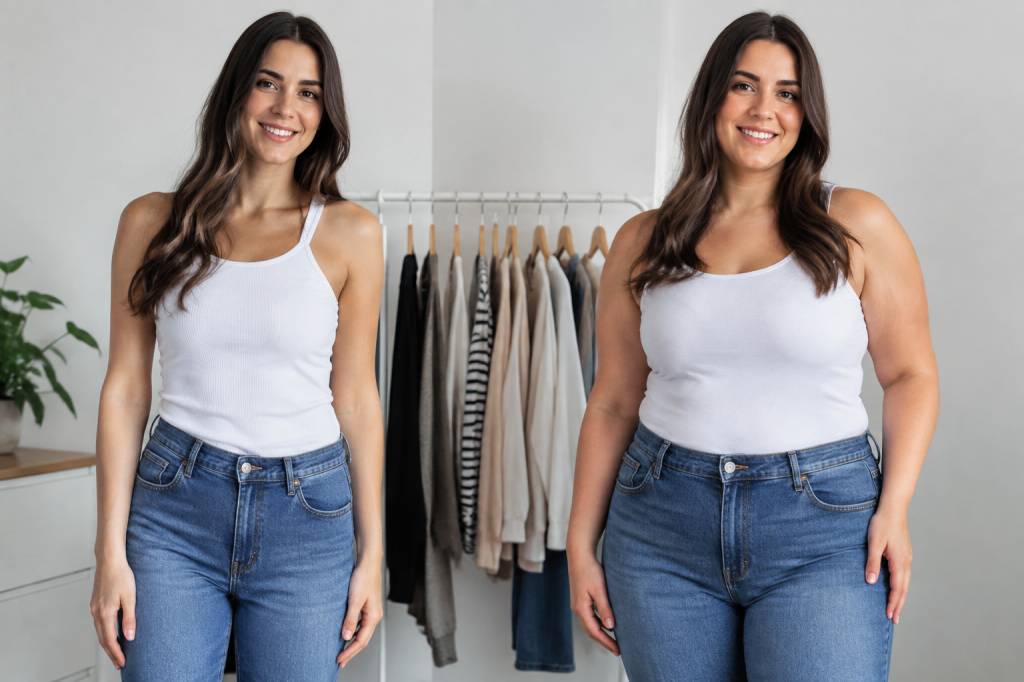
Shopping for women’s clothing can feel like solving a puzzle, especially when sizes change from one country, brand or retailer to another. If you have come across a UK size 14, you may be wondering what it actually means, how it compares with international sizing, and whether it is considered plus size. The short answer is that a UK 14 is generally a medium-to-large women’s size, but the exact fit depends on the garment, fabric and brand.
Whether you are buying a dress online, comparing European labels or trying to find the right pair of jeans, understanding the measurements behind a UK 14 can save time, returns and a fair amount of dressing-room frustration. Here is everything you need to know before adding that item to your basket.
What does a UK size 14 mean?
A UK women’s size 14 is a standard clothing size used across dresses, skirts, trousers, tops, coats and other everyday garments. It usually corresponds to the following approximate body measurements:
- Bust: 38 inches or 96–97 cm
- Waist: 30 inches or 76 cm
- Hips: 40 inches or 101–102 cm
These figures are typical industry guidelines rather than strict rules. One retailer’s size 14 may fit like another retailer’s size 12 or 16, which is why checking the individual size chart is always worthwhile. A fitted blazer, for example, may feel smaller than a loose-fitting knit in the same labelled size.
In everyday terms, a UK 14 is often positioned around the upper end of standard sizing or the lower end of plus-size ranges. Some retailers include size 14 in their main collection, while others begin their plus-size or curve range at size 14 or 16. Neither approach changes the size itself; it simply reflects how a brand organises its clothing.
UK size 14 conversion chart
International sizing can make online shopping unnecessarily confusing. A UK 14 is usually equivalent to the following sizes:
- US women’s size: 10
- European size: 42
- Australian size: 14
- French size: 44
- Italian size: 46
- International letter size: usually L or XL
The letter size is the least reliable part of this comparison. Some brands label a UK 14 as large, while others use extra large, particularly for fitted garments or collections designed with a closer cut. If you are shopping internationally, numerical measurements are more dependable than S, M, L or XL labels.
It is also worth remembering that a UK size 14 is not the same as a US size 14. American sizing generally runs differently, so a UK 14 is typically closer to a US 10. This is one of the most common mistakes shoppers make when ordering clothing from overseas websites.
Is a UK 14 the same in every type of clothing?
Not quite. Clothing sizes are influenced by the shape and purpose of the garment. A size 14 blouse with a relaxed fit may accommodate more room around the bust than a structured size 14 jacket. Trousers can be particularly unpredictable because the fit depends on the rise, waistband style and amount of stretch in the fabric.
Here is how a UK 14 may vary between common clothing categories:
- Dresses: the fit may be determined by the smallest measurement, especially in bodycon or tailored styles.
- Tops and blouses: bust and shoulder measurements are usually the most important.
- Jeans and trousers: waist, hip and inside-leg measurements all matter, while stretch denim can make the fit more forgiving.
- Skirts: a stretch waistband may fit differently from a structured waistband with a zip or buttons.
- Coats and jackets: allow extra room if you intend to wear knitwear underneath.
- Underwear and swimwear: sizing can vary considerably, so use the brand’s dedicated bust, waist and hip chart.
Think of the label as a starting point rather than a guarantee. The number on the tag tells you how the brand categorises the garment, but the cut tells you how it will actually feel when worn.
How to measure yourself for a UK size 14
Measuring yourself takes only a few minutes and is often more accurate than relying on your usual size. You will need a soft measuring tape and, ideally, lightweight clothing or underwear that does not add bulk.
- Bust: measure around the fullest part of your chest, keeping the tape level across your back.
- Waist: measure around the narrowest part of your torso, usually just above the belly button.
- Hips: measure around the fullest part of your hips and seat, keeping your feet together.
- Inside leg: measure from the top of your inner thigh to the ankle for trousers and jeans.
Keep the tape close to your body without pulling it tight. If it leaves a mark, it is too tight. Standing naturally is also important; holding your breath may produce a number, but it will not produce a comfortable pair of trousers.
Once you have your measurements, compare them with the retailer’s chart. If your bust suggests a 14 but your hips suggest a 16, look at the garment’s cut. For a fitted dress, you may prefer the larger size and have the waist adjusted. For a stretchy top, the smaller size may work perfectly.
Why does a UK size 14 vary between brands?
There are several reasons for differences in sizing. Clothing manufacturers use their own blocks, which are templates that determine the basic shape and proportions of a garment. A brand known for tailored workwear may use a closer, more structured block, while a relaxed lifestyle label may allow more room through the body.
Fabric also makes a noticeable difference. Cotton poplin, linen and woven polyester usually have limited stretch. Jersey, ribbed knit and elastane-blend denim can adapt more easily to the body. A UK 14 in a rigid pair of jeans may feel smaller than a UK 14 in leggings, even when the waist measurements look similar on paper.
Design trends can add another layer of uncertainty. Oversized shirts are intended to have generous proportions, whereas a “slim fit” shirt may be cut closer to the body. Vintage-inspired clothing can also use older sizing standards, meaning a modern UK 14 may not fit like a vintage size 14.
This is why product descriptions deserve more attention than the size dropdown. Look for phrases such as “true to size”, “relaxed fit”, “oversized”, “size up” or “size down”. Customer reviews can be especially helpful when several shoppers mention that a garment runs small or large.
What is a UK size 14 in jeans?
Jeans are often labelled by waist and leg measurements rather than traditional dress sizes. A UK women’s size 14 commonly corresponds to a waist of around 30 inches, although this can vary. Depending on the brand and stretch content, you may see jeans labelled W30, W31 or even W32 recommended for the same shopper.
When choosing jeans, measure both your waist and hips. If the waistband fits but the jeans pull across the hips, the cut may not suit your proportions. Curvy or “hourglass” styles often provide a smaller waist with extra room through the hips, while straight-leg and rigid denim designs may have a more uniform shape.
Rise is another detail worth checking. High-rise jeans sit above the natural waist and can feel more secure, while mid-rise styles sit lower on the torso. The same waist measurement may feel different depending on where the waistband rests.
What is a UK size 14 in dresses?
A UK 14 dress is generally equivalent to a US 10 or European 42. However, the best size depends on the dress style. Wrap dresses are adjustable and can be forgiving around the waist. Shift dresses offer more room through the middle. Fitted, satin or tailored dresses usually require a closer match to your bust, waist and hip measurements.
If your measurements fall between two sizes, consider the fabric and the occasion. A jersey dress with stretch may work well in the smaller size, while a formal woven dress is often more comfortable in the larger size. It is usually easier to take in a dress slightly than to make a tight garment feel comfortable, particularly around the shoulders and bust.
Pay attention to length, too. A UK 14 is not automatically designed for a particular height. Petite, regular and tall versions may have different skirt, sleeve and body lengths while retaining the same overall width.
Is UK size 14 considered plus size?
There is no single answer because retailers define their ranges differently. Some brands include UK 14 within their standard collection. Others start their curve or plus-size range at UK 14, while many begin at UK 16. The label is a marketing and range-planning decision, not a universal definition of body shape or style.
What matters most is finding clothing that fits well and makes you feel comfortable. A size label is not a measurement of health, attractiveness or personal style. It is simply a sizing reference used to organise garments. If one brand’s size 14 fits and another’s does not, the difference is in the clothes—not in you.
Practical tips for buying a UK size 14 online
Online shopping is convenient, but it removes the chance to try an item on before buying. A few simple habits can make the experience far easier:
- Check the size chart every time: do not assume the same label has identical measurements across retailers.
- Read the fabric details: elastane, stretch jersey and knitted fabrics may offer more flexibility.
- Study the model information: height, usual size and garment size can help you understand proportions.
- Read reviews carefully: look for repeated comments about tight shoulders, generous hips or short sleeves.
- Check the return policy: especially when ordering from an international retailer.
- Compare garment measurements: if provided, these can be more useful than body measurements.
- Consider alterations: a simple hem or waist adjustment can transform an almost-perfect item.
When comparing a product with something you already own, lay your best-fitting garment flat and measure it across the bust, waist or hips. Double the measurement where appropriate and compare it with the retailer’s garment dimensions. This method is particularly useful for coats, shirts and dresses with a structured shape.
Finding the best fit beyond the label
A UK size 14 can look and feel completely different depending on cut, fabric and personal proportions. The most reliable approach is to combine your body measurements with the brand’s own chart, then consider how you want the garment to fit. Would you prefer a blazer that closes comfortably over a jumper? Do you want jeans with a firm feel or a flexible everyday fit? These choices matter just as much as the number on the label.
With a tape measure, a few minutes of research and a sensible look at the returns policy, shopping for a UK size 14 becomes much less mysterious. The right garment is not the one with the most familiar number—it is the one that lets you move, sit and get on with your day comfortably. And that is a far more useful measure of a successful shopping trip.